Local life · Windsor, Ontario
Published
Windsor’s geese are adorable. The pavement has a second opinion.
Spring goslings can stop a Windsor walker with delight; the adult flock can stop a cyclist for less charming reasons. Both reactions are fair. Short grass beside open water makes the riverfront attractive to geese, while feeding and seasonal movement affect where they gather. Managing the overlap takes more than declaring war on a dirty shoe.
Facts checked
In this story
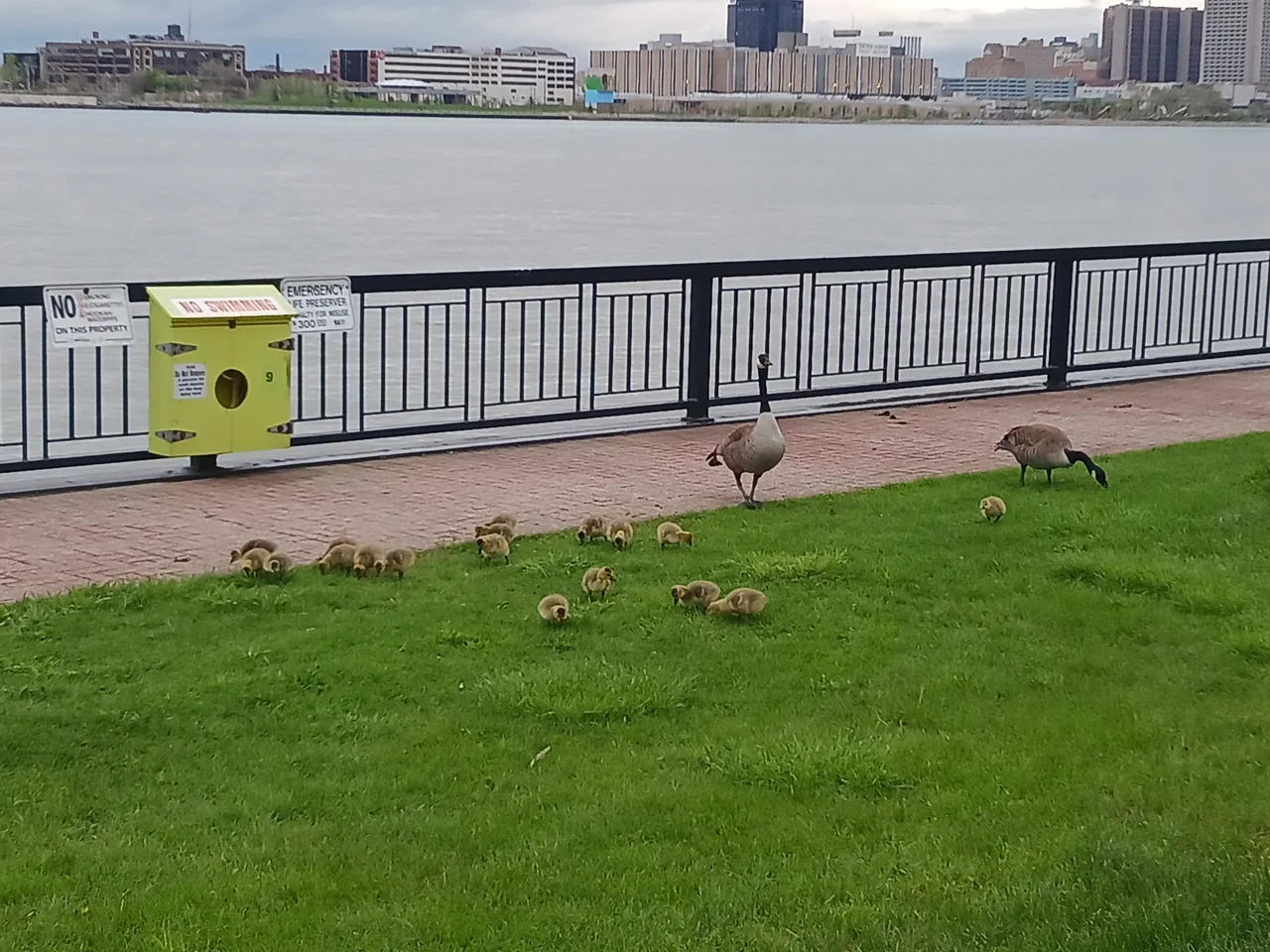
Small wing nubs, large public-relations advantage
The spring photograph called them fluffy tennis balls, and local contributors admired the waddling, little wings and family procession. One anticipated waiting at an intersection for the gosling parade, unable to resent the delay because they were so cute. Few adult road users receive that generous a review.
Then came the reminder to watch where you step. Someone described the birds as machines for producing exactly the material walkers would rather avoid. Affection and exasperation were not necessarily coming from different sorts of people. A person can enjoy a gosling and still want a clean path.
Source: April 2026: Windsor goslings and shared paths
Our landscaping has made an excellent invitation
Windsor’s management report points to short grass near open water as an attraction. The tidy lawn people enjoy also offers food and a clear view for a goose, with water nearby. From the bird’s point of view, the waterfront has been thoughtfully furnished.
Older local arguments over control were sharper, with regular path users describing the difficulty of avoiding droppings and others wanting humane treatment. Clean access matters for someone walking, cycling or using a mobility aid. Recognising the habitat does not require pretending the inconvenience is imaginary.
Source: City: September 2024 goose-management report
Source: Canadian Wildlife Service: reducing goose conflicts
Source: January 2024: goose-management debate
The October flock is not the spring family photograph
Northern migrants arrive through southern Canada in autumn, including from late September, while some birds breeding in temperate areas do not make the same long journey. Not every goose seen in October has just flown a great distance, and not every one will obligingly leave for winter.
Do not feed them to bring them closer. Supplemental food can keep birds concentrated around people and undermine efforts to change the pattern. The geese have already found the lawn attractive; they do not need a catering department to confirm the booking.
Source: Canadian Wildlife Service: seasonal goose biology
Source: Canadian Wildlife Service: reducing goose conflicts
A longer-lasting answer changes the attraction
Federal guidance includes longer vegetation and planting that alters the easy link between grazing and water. That can change the neat lawn people expect to see. Scaring birds once, while leaving the food and setting untouched, is less convincing as a permanent solution.
Useful plans record where, when and how many birds gather, and what problem needs fixing. On the path, slow early and leave room. The city does not need a verdict on whether geese are lovable or infuriating. They are quite capable of being both before breakfast.
Source: Canadian Wildlife Service: reducing goose conflicts
Source: Canadian Wildlife Service: evidence for management plans
Source: City: September 2024 goose-management report
Source: April 2026: Windsor goslings and shared paths
Questions people ask
Do Canada goose flocks change between spring and autumn?
Spring family groups and autumn arrivals are different seasonal patterns. Federal guidance describes northern migrants reaching southern Canada from late September.
Source: Canadian Wildlife Service: seasonal goose biology
Why do geese like the riverfront lawn?
Short grass beside open water offers food and a clear view.
Source: City: September 2024 goose-management report
Do migrating geese pass through southern Canada in autumn?
Yes. Federal guidance describes arrival from late September.
Source: Canadian Wildlife Service: seasonal goose biology
Does every goose leave Windsor for winter?
No. Temperate-breeding birds do not all follow a regular long-distance migration.
Source: Canadian Wildlife Service: seasonal goose biology
Should I feed bread to geese?
No. Federal guidance says it can harm their diet and encourage crowding.
Source: Canadian Wildlife Service: reducing goose conflicts
Can planting and longer grass help reduce conflicts?
They can make selected areas less attractive to geese.
Source: Canadian Wildlife Service: reducing goose conflicts
Is one scaring method a permanent solution?
The guidance says birds adapt and methods often need to be combined.
Source: Canadian Wildlife Service: reducing goose conflicts
What evidence belongs in a goose-management plan?
Counts, seasonal patterns, behaviour, attractants and specific damage or danger.
Source: Canadian Wildlife Service: evidence for management plans
Why do cyclists need to slow early?
Giving birds space avoids a rushed manoeuvre at the last moment.
Source: April 2026: Windsor goslings and shared paths
Why do goose plans need seasonal counts?
Bird numbers and behaviour vary through the year. Federal planning guidance asks for that evidence.
Source: Canadian Wildlife Service: evidence for management plans
Something changed? Tell us about a correction.